Lelayni Script: A Graceful Font for Elegant Branding and Digital Campaigns
Choosing Lelayni Script for a Product Launch Social Graphic
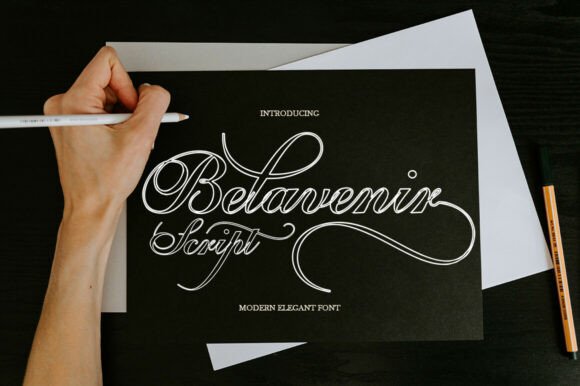
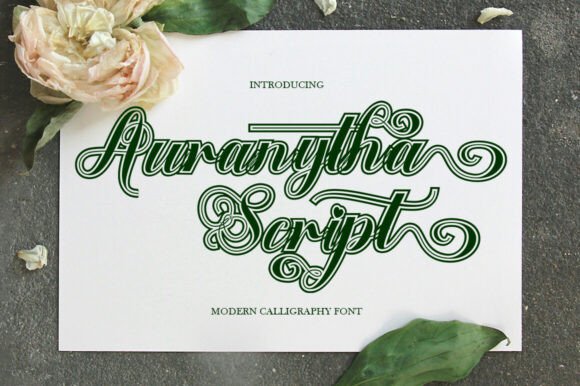
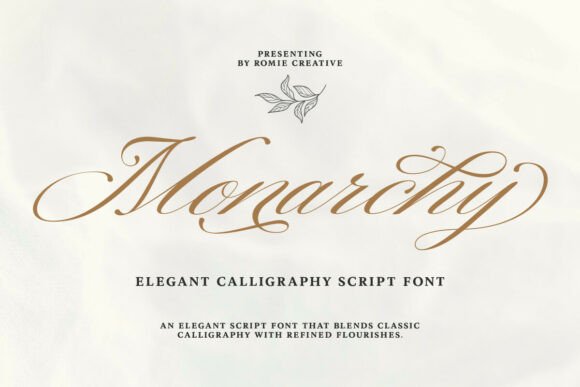
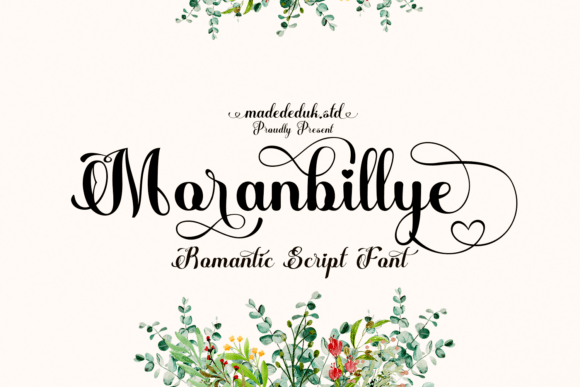
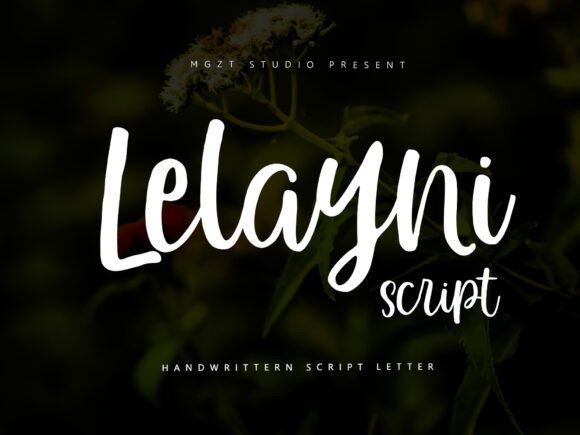
As I sat down to design a teaser graphic for a client’s luxury candle line launch, I opened my font library and landed on Lelayni Script. The brief called for “timeless elegance with a modern twist,” and I knew right away this Script Handwritten font would fit the tone. Lelayni Script font is a graceful and elegant script, blending traditional calligraphy with modern flourishes. The strokes are fluid and organic, creating a sense of movement and artistry. Each letter felt like a brushstroke of intention, perfect for a brand that wanted to feel artisanal and refined.
Lelayni Script in Instagram Story Headers and Reels Covers
For the client’s Instagram rollout, I needed bold, readable headers that still felt elevated. I used Lelayni Script for the main headline on a Reels cover: “Limited Edition Collection – Available Now.” The font held up beautifully on mobile screens, especially when paired with a clean sans-serif subheader. I made sure to keep the text short and centered, letting the flourishes breathe without overwhelming the layout. The result was a polished, scroll-stopping design that matched the brand’s aesthetic without sacrificing clarity.
Using Lelayni Script for Pinterest Promotional Pins
When designing a Pinterest pin for a blog post titled “5 Ways to Elevate Your Home with Scent,” I turned to Lelayni Script again. It worked well for the main title overlay, especially against a soft white or cream background. The organic stroke variation gave the pin a handmade, editorial feel—perfect for the audience of design-conscious women. I found that increasing the letter spacing slightly helped maintain readability on smaller preview thumbnails, which is key for Fonts used in fast-scrolling platforms like Pinterest.
How Lelayni Script Performs in YouTube Thumbnails and Email Headers
I also tested Lelayni Script in a YouTube thumbnail for a seasonal self-care workshop promotion. The thumbnail had a dark background with a light-colored version of the font. I was worried about contrast, but the strong baseline and clear letterforms made it surprisingly legible even at small sizes. In email headers, I used it for a newsletter banner announcing a flash sale. While script fonts can sometimes appear too decorative for transactional content, Lelayni Script struck a balance—still elegant, but not distracting.
When to Pair Lelayni Script with Clean Typography
One of the most important lessons I learned using Lelayni Script across this campaign was the value of contrast. I paired it with Montserrat and Lato for subheadings and body copy, creating a modern typography system that felt intentional and brand-aligned. The contrast between the flowing Script Handwritten style and the clean sans serif font made each element stand out. It also helped maintain a visual hierarchy—readers naturally gravitated to the headline first, then the supporting text.
Limitations and Best Use Cases for Lelayni Script
While Lelayni Script performed well in short headlines and brand-focused graphics, I wouldn’t recommend it for long-form content or detailed product descriptions. Its decorative nature makes it better suited for display text rather than body copy. I also avoided using it in dense digital ads where clarity and speed of comprehension are critical. For formal corporate campaigns or minimalist branding, this Fonts style may feel out of place. Stick to using it where elegance and artistry are central to the message.
What to Check Before Using Lelayni Script in Commercial Campaigns
Before finalizing the client’s campaign assets, I double-checked the font license to ensure it allowed for commercial use across digital ads, branded templates, and social media content. I also reviewed the included styles—Lelayni Script came with several alternates and ligatures that added flexibility for logo design and packaging mockups. The multilingual support was a bonus, especially since the brand was planning to expand into European markets. File formats were standard (OTF, TTF), and compatibility with design tools like Photoshop, Illustrator, and Canva was seamless.