Hollow Script Font: A Small Business Owner’s Secret to Polished Branding
As the owner of a small candle-making business, I used to underestimate the power of a good font. My labels looked fine—until I compared them to competitors’ packaging. That’s when I discovered Hollow Script, a Script Handwritten font that transformed my brand visuals from generic to boutique-worthy.
Hollow Script for Candle Labels and Product Packaging
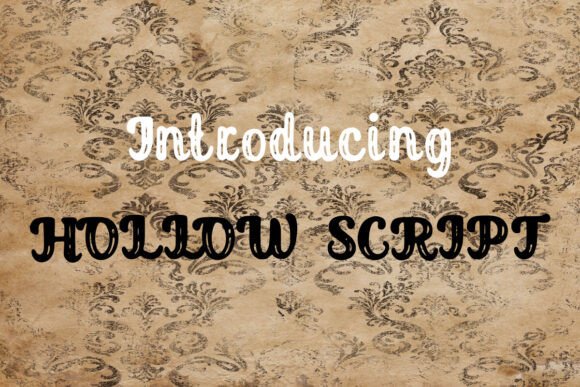
When I redesigned my candle jars, I wanted a font that felt warm, personal, and just a little luxurious. Hollow Script delivered exactly that. Its flowing curves and open strokes gave my labels a handmade yet professional feel. Whether I was printing on kraft paper or glossy sticker material, the font remained legible and stylish.
Because Hollow Script is a display font, it worked best for product names and short phrases like “Lavender Relax” or “Cozy Night.” I paired it with a simple sans serif for ingredient lists and care instructions, creating a balanced, easy-to-read label that still felt elevated.
How Hollow Script Improved My Social Media Aesthetics
As a small business owner, I rely heavily on Instagram to showcase new products and connect with customers. Before using Hollow Script, my graphic templates looked a bit flat. But once I started using the font in my carousel posts and product highlights, everything clicked visually.
I used Hollow Script in the headlines of my Instagram stories and pinned post templates. It added a touch of elegance without being over the top. Since it’s a Script Handwritten font, it felt more approachable than overly formal calligraphy styles. My followers started commenting more often on my visuals, and I noticed a subtle but real uptick in saves and shares.
Choosing the Right Font Size for Social Media Thumbnails
One thing I learned quickly: Hollow Script works best at larger sizes on mobile thumbnails. When I used it too small in story headers, it became hard to read. I stuck to using it for titles and highlights, and kept the body text in a clean sans serif like Montserrat or Lato.
Using Hollow Script in Logo Design and Branding Kits
My candle business was growing, and I wanted a logo that reflected that growth. I worked with a freelance designer who suggested using Hollow Script as the primary font in my logo. At first, I was nervous about using a handwritten font for something so central to my brand, but the result surprised me.
The font gave my logo a sense of authenticity and warmth. It felt like me—someone who crafts each candle by hand—without looking unprofessional. We added a secondary line in a minimalist serif font to balance the script, and suddenly my brand identity looked cohesive and intentional.
Font Pairing Tips for Logo Design
Pairing Hollow Script with a clean, modern serif or sans serif font made all the difference. The contrast between the elegant script and the simpler font created a visual hierarchy that guided the eye naturally. If you're using this Fonts style in your logo, make sure to limit its use to headlines or accents to keep readability high.
Hollow Script for Thank-You Cards and Customer Touchpoints
One of the most rewarding parts of running a small business is connecting with customers on a personal level. I started including handwritten thank-you notes with every order, but handwriting dozens of cards wasn’t sustainable. That’s when I turned to Hollow Script again.
I created a simple thank-you card template using the font, printed it on recycled paper, and signed each one by hand. The result? A personal touch that felt genuine, without the time-consuming effort of handwriting every note. Customers loved the attention to detail, and I even got a few messages saying they kept the cards as keepsakes.
Why Hollow Script Works for Small Batch Packaging
If you sell handmade goods, candles, skincare products, or baked treats, you know how important packaging is. It’s often the first physical interaction someone has with your brand. Hollow Script gave my packaging a boutique feel without the boutique price tag.
I used it on my candle boxes, tags, and even the small stickers on the bottom of the jars. Because it’s a Script Handwritten font, it felt custom and personal, like I had hired a calligrapher to design everything from scratch. But since it’s a downloadable font, I could use it across all my print materials with ease.
Checking Font Licensing and File Formats
Before I used Hollow Script in any printed or commercial materials, I made sure to check the licensing. I wanted a font that allowed commercial use, especially for merchandise and packaging. I was relieved to find that this Fonts package included everything I needed: multiple file formats, alternates, ligatures, and multilingual support.
This made it easy to use the font in different design programs like Canva and Adobe Illustrator. I also appreciated that the font came in different weights, which helped me adjust the look depending on the background color or print size.
Hollow Script for Menus, Flyers, and In-Store Branding
When I opened a small pop-up shop for the holiday season, I needed signage that matched my packaging and online branding. I used Hollow Script for menu headings, product names, and signage like “Limited Stock” or “New Arrival.”
Because it’s a decorative font, I made sure not to overuse it. I kept the main body text in a readable sans serif and used Hollow Script only for headings and accents. This helped maintain a clean, professional look while still reinforcing my brand’s visual identity.
Readability Tips for Printed Materials
One thing I learned from printing flyers and menus was the importance of spacing and contrast. Hollow Script looks best with plenty of white space and a strong color contrast between text and background. I avoided using it on busy patterns or textured paper, where the delicate strokes could get lost.